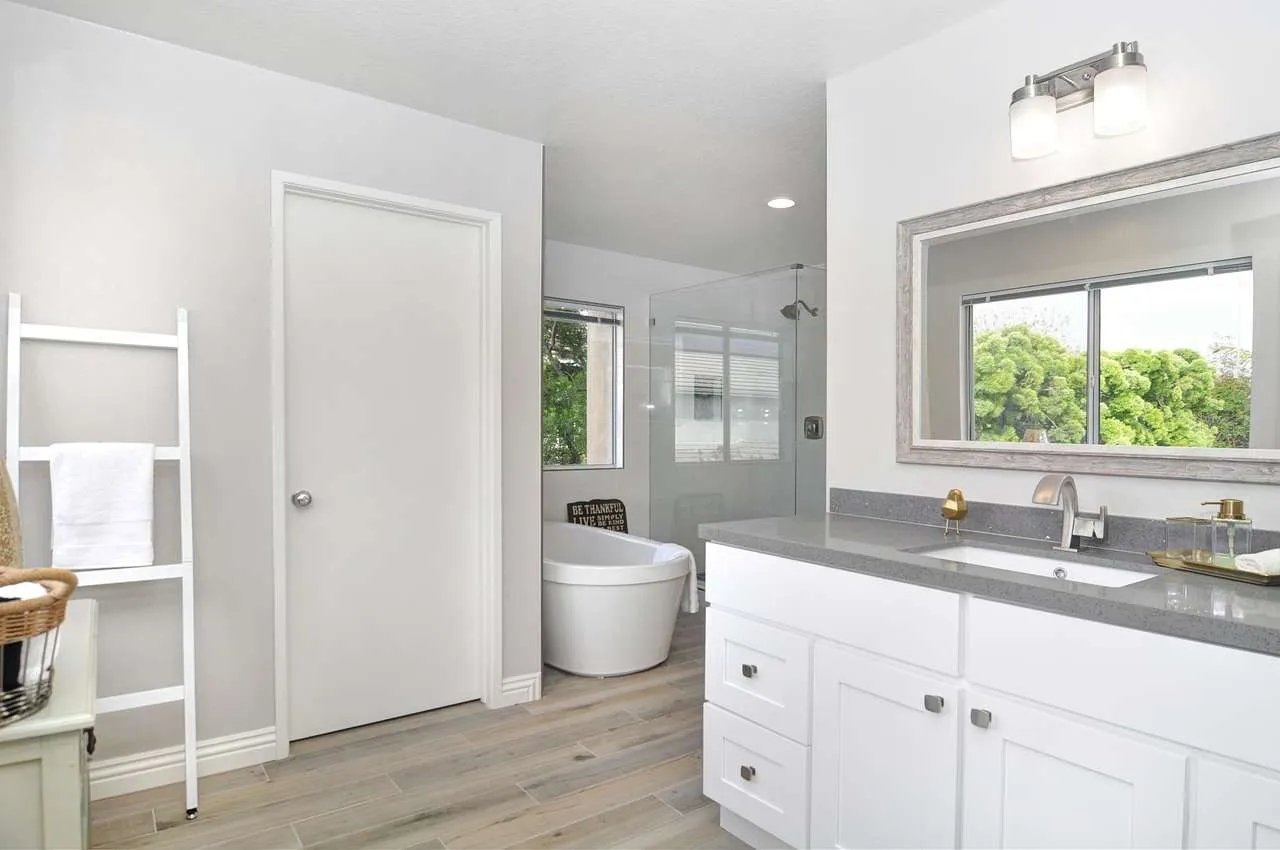
For many homeowners, a small bathroom is an opportunity to show clever design rather than a limitation. With the right layout, fixtures, and storage, a compact bath can feel spacious and welcoming. This guide offers small bathroom ideas based on practical design principles, ideal for renovators, renters, and DIY enthusiasts seeking durable, high quality results.
Smart Layouts for Small Bathrooms
Choosing the right layout makes a big difference. Consider a zone approach that keeps wet areas separate while allowing easy circulation around a compact sink and toilet.
Corner showers
A corner shower with a curved glass or sliding enclosure opens floor space and visually enlarges the room. Use a clear enclosure and a slim tray to reduce bulk.
Sliding and pocket doors
Sliding or pocket doors save swing space and improve accessibility. If you cannot install a pocket door, an inward swinging door can still work with a shallow niche and proper clearance.
Compact fixtures
Wall hung toilets, wall hung or compact pedestal sinks reduce visual clutter and create easier cleaning access to the floor.
Storage Solutions that Save Space
Smart storage is essential in small baths. Built in niches, over the toilet storage, and tall slim cabinets tuck away toiletries without crowding the floor.
Built in niches
Shower and wall niches provide storage for shampoo and soap without bulky shelves. Recessed LED lighting adds a polished finish.
Vertical storage
Use tall slim cabinets or mirrored medicine cabinets to reflect light and increase the sense of space.
Light, Color, and Surfaces
Light colors and reflective surfaces make a small bathroom feel airy. Choose cool neutrals with a high gloss finish and opt for large format tiles to minimize grout lines.
Mirrors and lighting
Install a large mirror or a mirrored cabinet to double the perceived space. Layer lighting with ambient task and accent lights to eliminate shadows and emphasize length.
Moisture resistant materials
Choose moisture resistant boards, epoxy grout, and ceramic tiles that tolerate humidity and simplify maintenance.
Budget, Planning, and the EEAT Approach
Plan with a realistic budget and a detailed timeline. For complex renovations, consult licensed professionals to ensure structural safety and code compliance, reinforcing trust and quality in your project.
Comparison of Layout Options
Below is a quick comparison to help you choose a layout matching your space and lifestyle.
| Layout Type | Pros | Cons | Best For |
|---|---|---|---|
| Corner shower with curved glass | Visual space; easy cleaning | Requires niche planning | Small square rooms with corner access |
| Sliding or pocket door | No door swing; maximizes floor | More complex install | Narrow footprints |
| Wall hung toilet and compact sink | Open floor feel; easier cleaning | Potential higher cost | Very tight baths |
| Tall slim storage and niches | Keeps clutter away from floor | Requires precise measurements | Storage heavy users |
Final Tips and Maintenance
Measure carefully, plan for ventilation, and choose durable materials. Keep an 80/20 rule in mind, dedicating most budget to elements used daily and saving on niche items and accessories. Regular sealing, cleaning, and prompt repair prevent long term wear and keep the space feeling fresh.
Summary: Small bathroom ideas are most effective when you combine smart layouts, smart storage, bright lighting, and durable finishes. The strategies above help you maximize space, improve usability, and create a polished look in a compact bathroom.